
How to Groom an Anxious Dog: Stress-Free Techniques That Truly Help
How to groom an anxious dog is something every dog parent eventually wonders about, especially when their pup shakes, hides, or panics the moment a brush appears. I’ve worked with dogs who trembled like tiny earthquakes, ducked behind furniture, and even pretended to be asleep just to avoid grooming. And if you’re reading this, you’ve probably asked yourself the same question: “Why is grooming so stressful for my dog — and how do I fix it?”
Good news: there is. And it works.
This guide walks you through proven calming methods, practical grooming steps, and the exact strategies I’ve used to turn anxious pups into relaxed, brush-loving angels. Ready to finally make grooming peaceful for both of you?
Let’s go.
Why Some Dogs Freak Out During Grooming
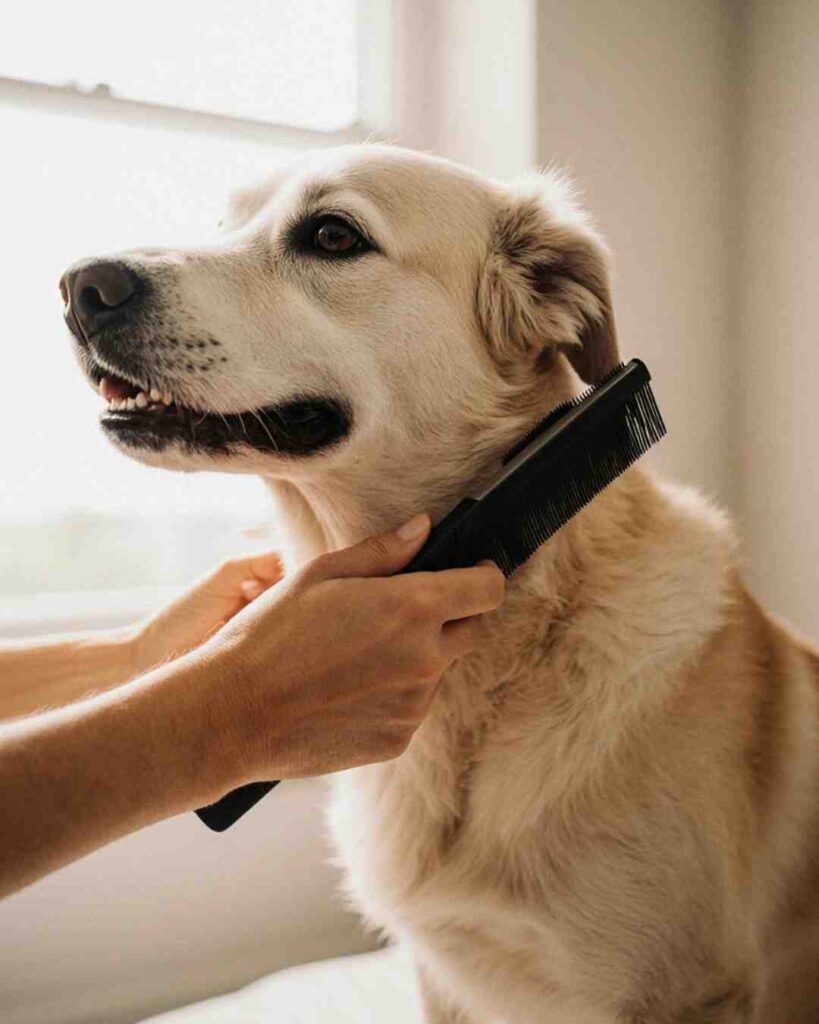
Before we fix the anxiety, we need to understand it. Ever noticed how some dogs panic the moment they see the brush? Or how running water instantly sends them into “Nope!” mode? Anxiety usually comes from fear, noise sensitivity, past trauma, or simply feeling trapped.
But here’s the part most dog parents don’t realize:
Your dog isn’t being dramatic — they’re communicating.
They’re saying, “I don’t understand this. I’m scared. Help me.”
And that’s exactly what you’re about to do.
How to Groom an Anxious Dog by Creating a Calm Environment
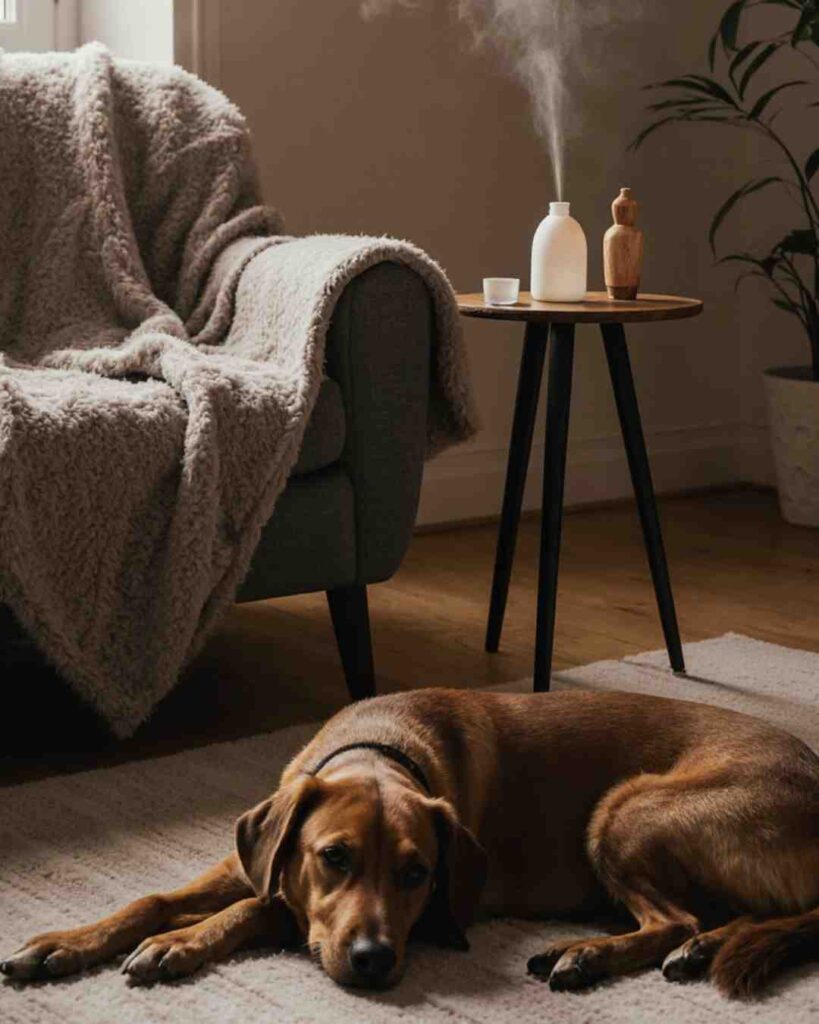
You can have the best tools in the world, but if the environment feels stressful, your dog will pick up on it instantly. Ever wondered why your dog relaxes more at 10 p.m. than at any other time? Energy matters.
Here’s how to set the mood right:
Choose a Quiet, Familiar Space
Pick a place where your dog already feels safe — not the bathroom if they associate it with traumatic bath times.
Soft lighting and fewer distractions help the dog settle faster.
Use a Calming Scent
I swear by lavender. I use one or two drops in a diffuser, and it works almost instantly.
Just avoid spraying anything directly near the dog.
Start with Simple Touch
Before whipping out the brush, spend a few minutes giving gentle chest rubs.
This builds trust and signals, “You’re safe. Nothing bad is happening.”
Add a Comfort Item
A blanket, favorite toy, or even your shirt can make a huge difference.
When the energy is calm, your dog’s nerves drop dramatically — and grooming becomes much easier.
A lot of anxious pups also relax faster when lying on a Calming Donut Dog Bed, which helps them settle before grooming even starts.
Use the Right Tools (Bad Tools Make Anxiety Worse)
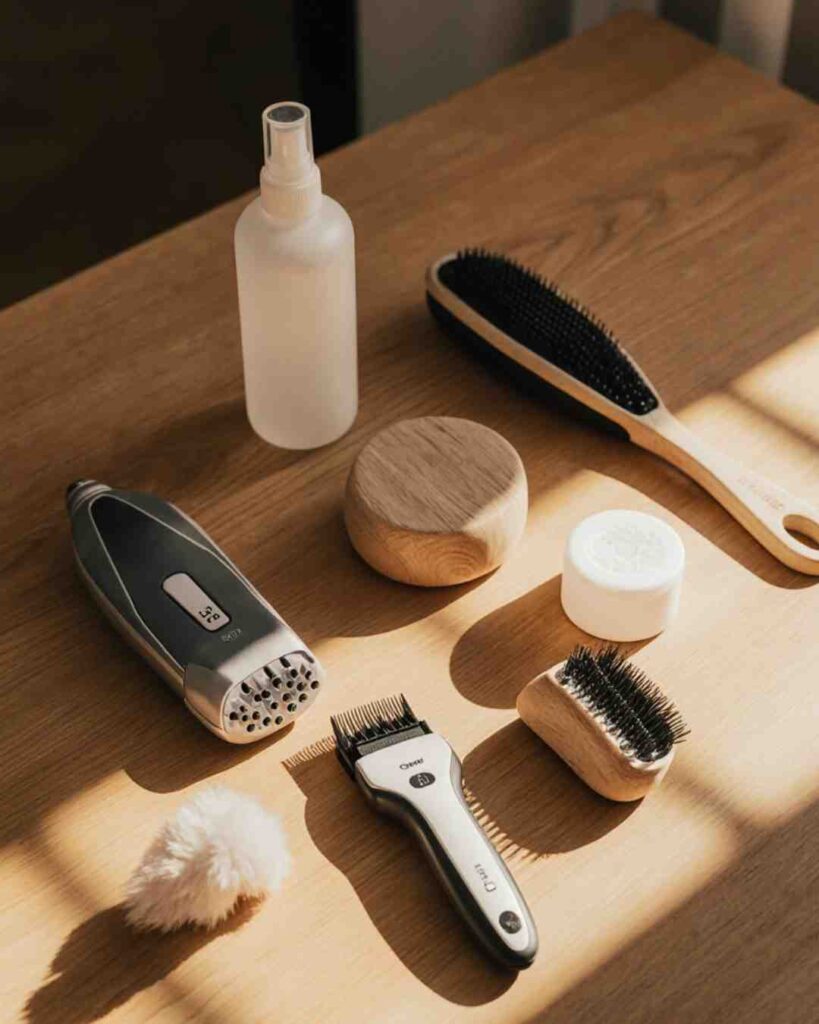
You can’t groom an anxious dog with the wrong equipment. It’s like trimming bangs with a steak knife — technically possible, but why?
Here’s what actually helps:
Soft-Bristle Brush
Perfect for sensitive dogs who distrust grooming tools.
It feels gentle and safe, so they accept it quicker.
Quiet Clippers
Loud buzzing = instant panic.
Choose clippers designed for low-noise operation. It’s a game-changer.
Detangling Spray
This reduces pulling and discomfort — especially for long-haired breeds.
Grooming Wipes
They help with light cleaning without needing a bath (ideal for dogs who hate water).
Pro tip: Before buying anything, gently tap the tool on your own arm. If it feels harsh, your dog will hate it too.
If your dog loves treats (and most anxious dogs do), pairing grooming with something delicious like Soft Homemade Dog Treats for Seniors or Homemade Chicken & Rice Dog Treats can change the entire experience.
If clippers scare your dog, a Low-Noise Pet Clipper often makes a huge difference in their comfort.
Desensitization: The Secret Method Nobody Talks About
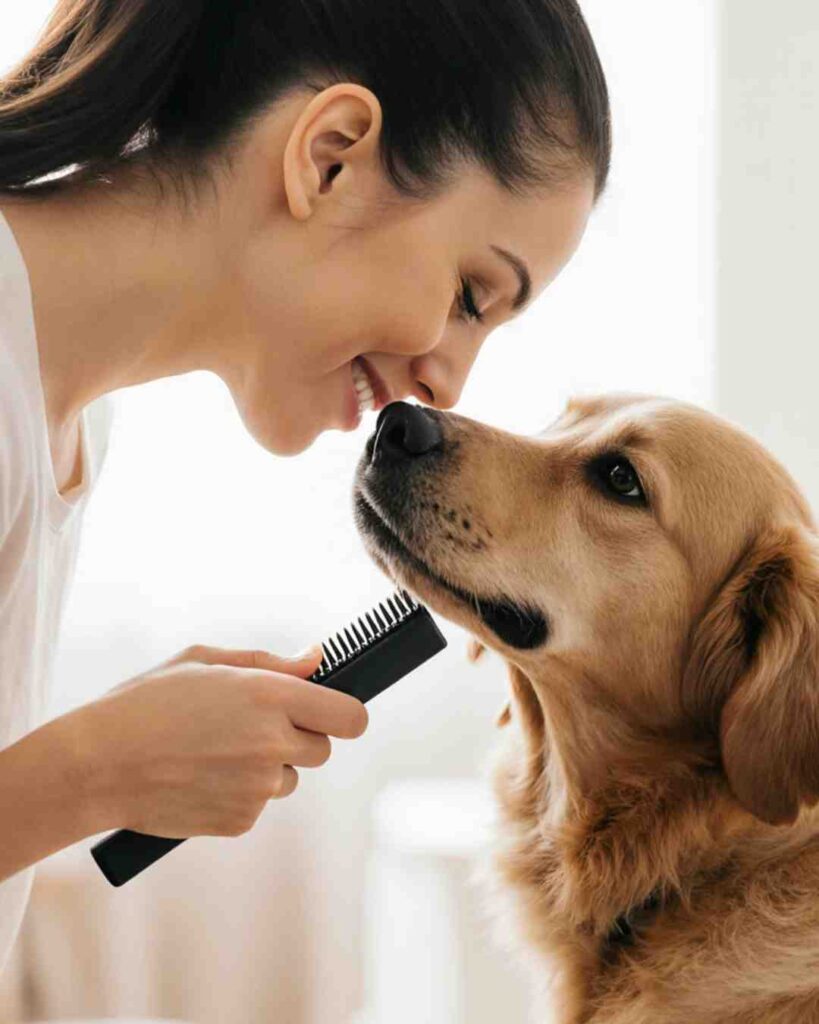
If you’ve ever wondered, “Why does my dog freak out before I even start?” — this is why. They’ve already linked the tool to fear.
Desensitization fixes that.
Step 1: Show the Tool Only
Hold the brush or clipper without using it. Let your dog sniff it.
Reward them with treats.
Step 2: Touch, Don’t Use
Gently touch the tool to their body without brushing or trimming.
Reward again.
Step 3: Start Micro-Grooming
Brush for 2–3 seconds. Stop. Treat.
Step 4: Slowly Increase Duration
Increase by a few seconds each day.
I once worked with a dog who used to run from the brush like it was a horror movie villain. After three weeks of desensitization, he literally leaned into it like, “Finally, groom me.”
Ever wondered why this works so well?
Because you’re teaching the dog that the tool isn’t a threat — it’s part of a positive experience.
Desensitization is the same technique behaviorists use to help dogs overcome fears. If you’re exploring more behavior topics, check out the broader Dog Training section
Try These Calming Techniques During Grooming
These are the methods that consistently work, even for the most anxious pups.
1. The Slow & Steady Petting Technique
Brush in rhythm with your petting.
It feels familiar, soft, and natural — like an extension of affection.
Why it works:
It blends grooming with something your dog already loves.
2. The Treat-Per-Minute Method
Give tiny treats every minute or two during grooming.
You’re basically saying, “Good things happen when we groom.”
Just don’t overdo it — tiny treats only.
3. The Break-and-Reset Method
If your dog starts shaking or resisting, pause for 20–30 seconds.
Let them breathe. Let you breathe. Then start again calmly.
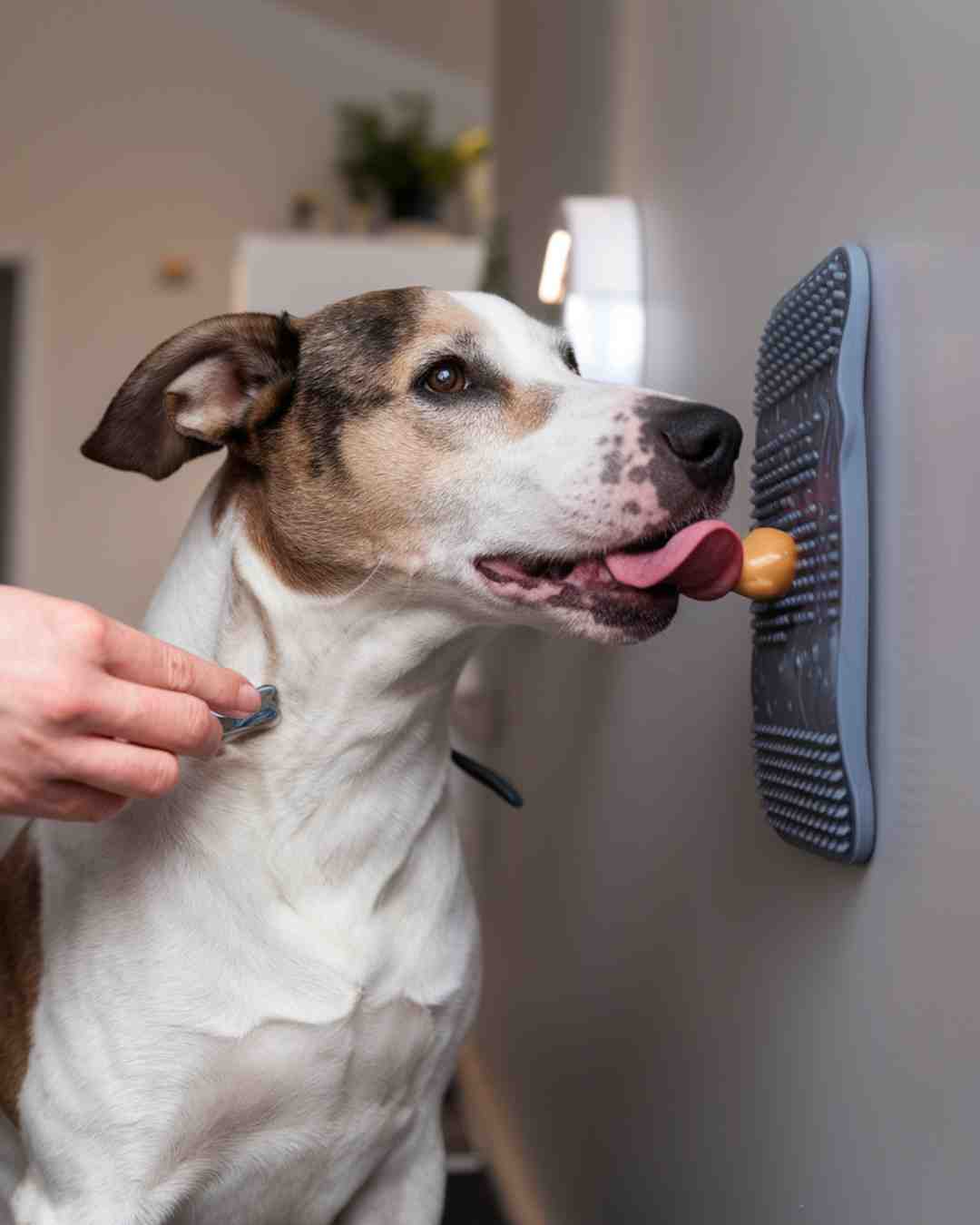
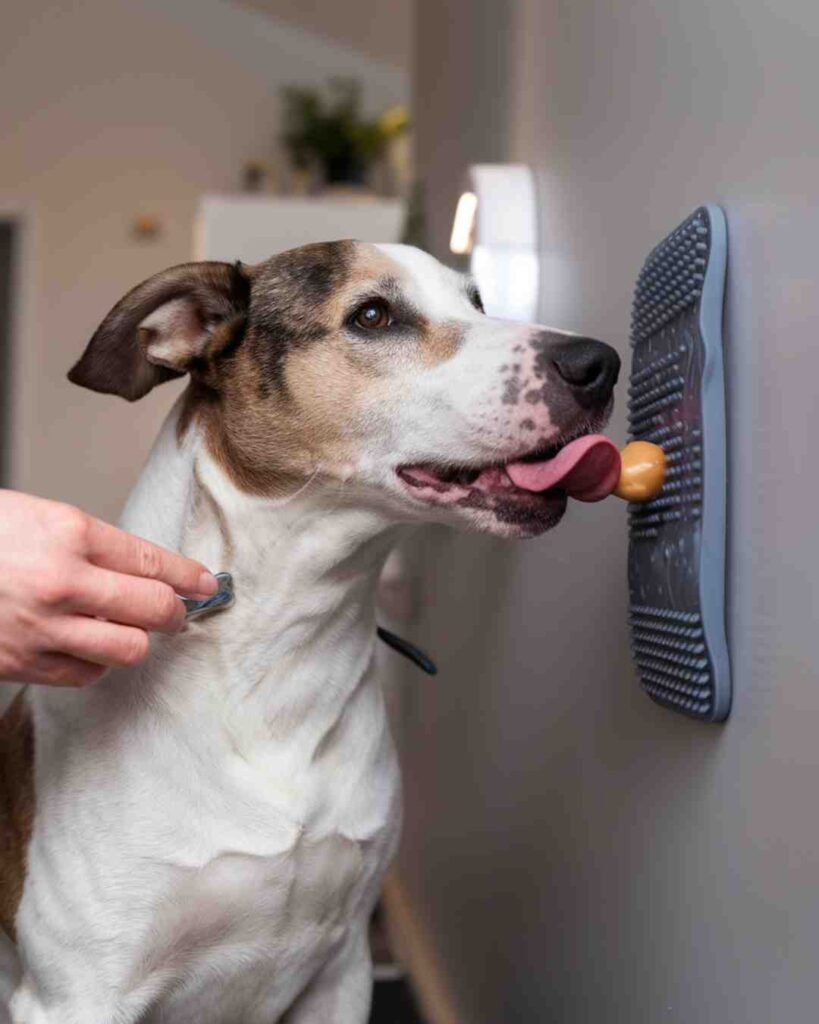
4. The Peanut-Butter Wall (One Allowed Slang Moment)
This one is honestly a life-saver, no cap.
Spread a bit of dog-safe peanut butter on a lick mat and stick it to the wall.
While your dog licks happily, you groom.
5. The Slow Talking Method
Dogs respond strongly to tone, not words.
Speak in a slow, warm voice — it works better than most calming sprays.
If your dog struggles with stomach sensitivity after grooming stress, your article DIY Dog Food Meal Prep can give owners a gentle, simple recipe to help soothe digestion.
The Dog Lick Mat with Suction Cups works amazingly for the peanut-butter trick and keeps dogs distracted during grooming.
Grooming Anxiety During Bath Time (The Toughest Part)
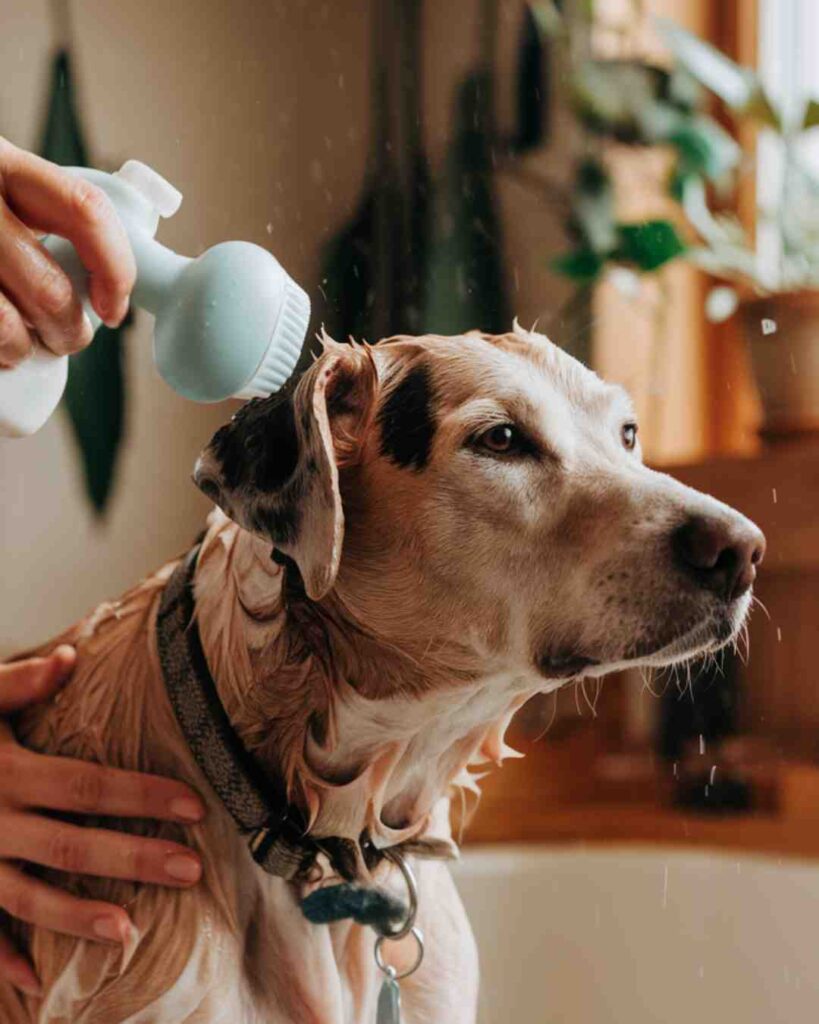
Bath time scares a lot of dogs — the noise, the water, the slippery surface, the “Why am I wet?” panic.
Here’s how to make it easier:
Use Warm, Not Hot Water
Warm water relaxes muscles and anxiety. Cold water does the opposite.
Start with Feet Only
Most dogs panic when you splash water on their back right away.
Begin by wetting the feet, then slowly move upward.
Avoid Holding Your Dog Too Tightly
This makes them feel trapped.
Instead, place a calming hand on their chest.
Use a Silicone Scrubber
It’s soft, quiet, and feels like a massage.
Rinse Gently
High-pressure water triggers fear.
Use low pressure and slow strokes.
Want a little insider trick?
I sometimes sing softly during baths — not because I’m trying to win a Grammy but because the rhythm calms nervous dogs surprisingly fast.
A gentle Silicone Dog Bath Brush can turn bath time into a relaxing massage instead of a stressful chore.
Post-Grooming Calm: Don’t Skip This
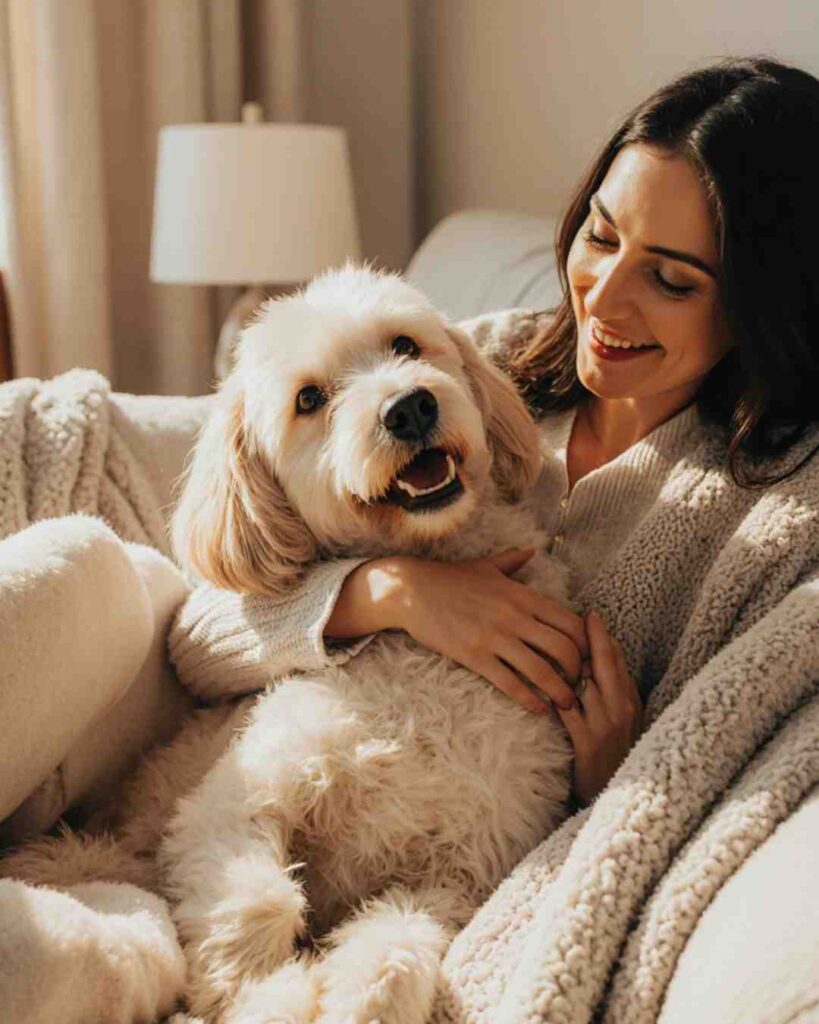
After grooming, your dog needs reassurance.
Think of it like hugging a child after a doctor visit.
Here’s how to wrap things up the right way:
Celebrate Them
Use an excited voice: “Good job! You did it!”
Dogs LOVE feeling proud of themselves.
Offer a High-Value Reward
A special treat they only get after grooming makes the experience feel worth it.
Give Them a Break
Let them wander, sniff around, or nap.
Don’t jump straight into another stressful task.
Physical Affection Helps
A slow cuddle signals safety and resets their nervous system.
Rewarding them with a High-Value Training Treat right after grooming helps reinforce positive feelings every single time.
When to Ask for Professional Help
Sometimes anxiety runs deeper, and that’s okay.
If your dog bites, growls, or shows extreme fear, a trained groomer or behaviorist can help.
Reach out when:
- Your dog snaps during grooming
- Anxiety escalates instead of improving
- You notice physical pain or discomfort
- You feel overwhelmed or unsafe
Professionals handle this daily — you don’t have to figure it out alone.
My Honest Opinion: What Actually Works Best
Every anxious dog is different, but after working with hundreds, I’ve found these three techniques help almost every case:
- Desensitization (the real magic)
- Quiet, slow energy from you
- Using soft tools designed for sensitive dogs
If you combine these consistently, your dog transforms.
It won’t happen overnight, but the progress is real and long-lasting.
And here’s the part I love most:
When anxious dogs finally relax during grooming, you feel like you unlocked a new level of connection with them.
Final Thoughts: You’ve Got This
Grooming an anxious dog isn’t easy, but it’s absolutely possible — and now you’ve got the blueprint.
You know how to create a calm environment, choose tools that actually help, and use proven methods that ease fear instead of increasing it.
Your dog doesn’t need perfection.
They just need patience, consistency, and a calm presence.
Take it slow. Celebrate progress.
And remember — every tiny win counts.