
How to Feed a Young Puppy: Starter Diet, Transition & Portion Guide
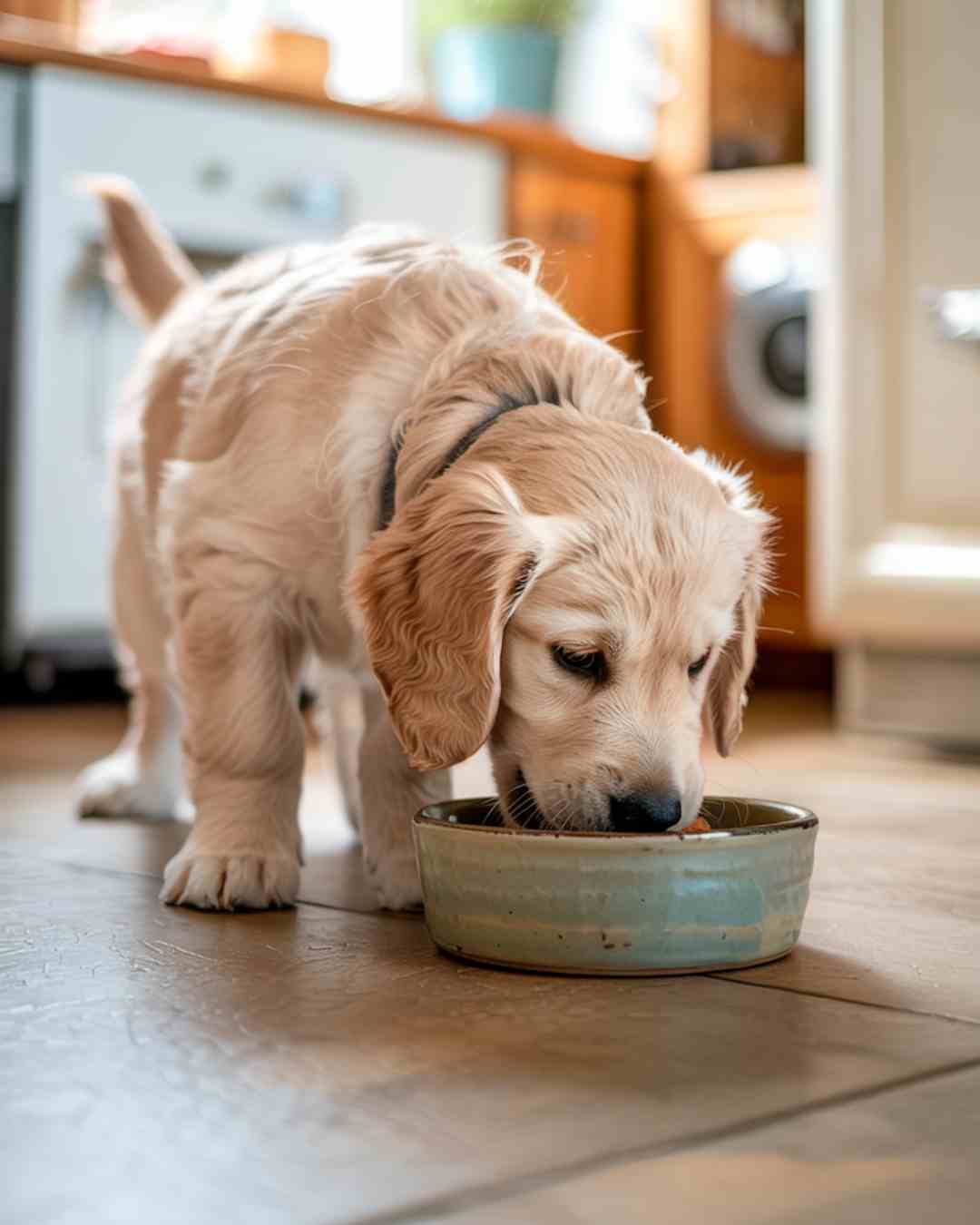
How to feed a young puppy is one of those questions every new dog parent asks the moment that tiny furball enters the house. You look at those big eyes and think, “Okay, what now?” Feeding a young puppy isn’t just about filling their bowl — it’s about giving them the right start for lifelong health. Let’s talk about how to feed a young puppy the right way — from a homemade starter diet recipe to the feeding transition timeline and portion guide that keeps your little one growing strong.
Why Puppy Nutrition Matters So Much
Ever noticed how fast puppies grow in just a few weeks? It’s wild! Their bodies and brains are developing at lightning speed. Good nutrition is the foundation of strong bones, a shiny coat, and a calm, well-behaved pup. On the other hand, poor feeding habits can lead to tummy troubles, weak immunity, or picky eating later on.
When I got my first puppy, I made the rookie mistake of giving her leftover chicken and rice from dinner. She loved it — but her tummy didn’t. Lesson learned! Puppies need balanced meals specifically designed for their developmental stage, not just human food.
If you’re curious about healthy treats once your pup grows older, check out our guide on Homemade Chicken & Rice Dog Treats — it’s perfect for training and rewards later on!
Understanding the Puppy Feeding Stages
Puppy feeding isn’t one-size-fits-all. It changes fast, depending on age and growth.
Newborn to 3 Weeks: Mother’s Milk Only
At this stage, mom’s milk is pure gold. It’s packed with the right balance of fat, protein, and antibodies. If the puppy is orphaned, you’ll need a commercial puppy milk replacer (never cow’s milk). Feed it warm — around body temperature — using a small bottle or syringe.
Feeding frequency:
- Newborns: every 2–3 hours
- 2 weeks old: every 4 hours
- 3 weeks old: every 5 hours
And yes, it’s a lot of feeding — but it’s worth every sleepy night.
3 to 4 Weeks: The Weaning Phase Begins
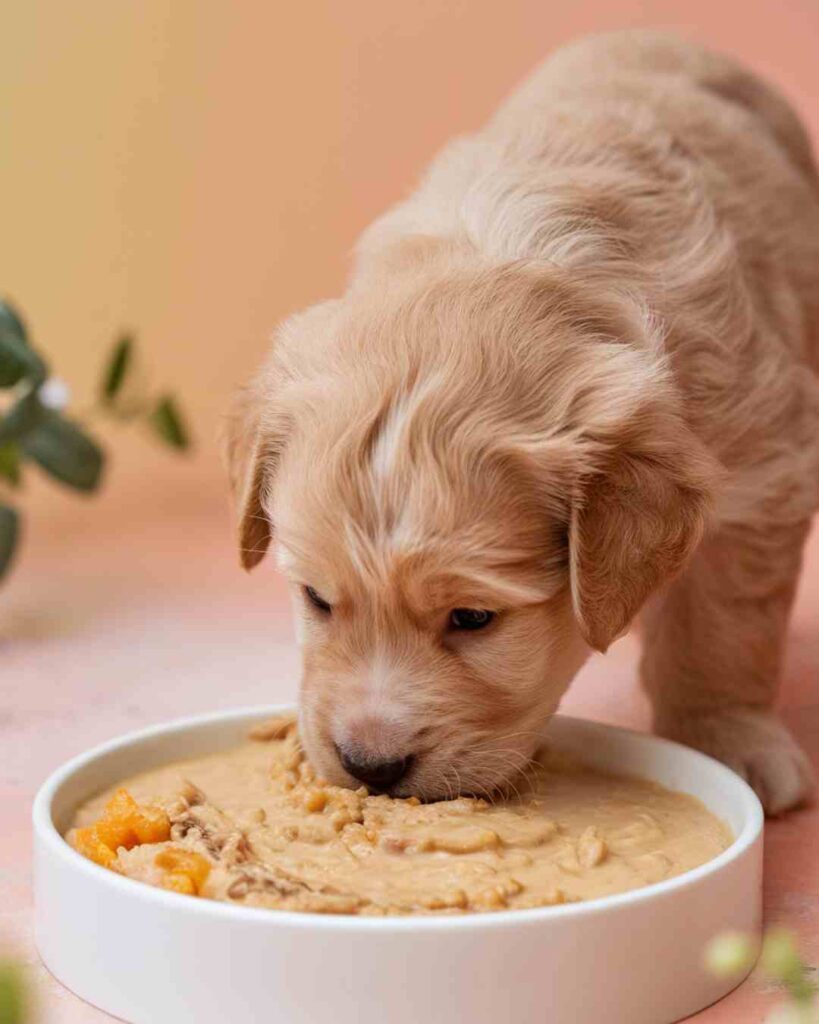
This is where things get interesting. Your puppy starts to lap liquids and nibble solids, so it’s time to introduce a homemade starter mush — soft, nutrient-rich, and gentle on their tiny stomach.
Here’s what I use:
Homemade Starter Diet Recipe
- 1 cup of high-quality puppy kibble (or cooked rice/oats)
- ½ cup of boiled chicken or lean beef (finely shredded)
- ½ cup of puppy milk replacer or warm water
- 1 teaspoon of plain pumpkin puree (for digestion)
- A few drops of olive oil or fish oil (for coat health)
How to prepare:
- Blend everything until it becomes a smooth, porridge-like mix.
- Serve it slightly warm — not hot.
- Offer small portions 4–5 times a day.
Pro tip: Start with very soft consistency and gradually thicken it as the puppy adjusts over a week.
5 to 8 Weeks: Transition to Solid Food
By this age, your puppy’s teeth are coming in, and their curiosity about food skyrockets. It’s time to reduce milk replacer and move toward solid puppy food.
Here’s a simple timeline:
| Age | Food Type | Feeding Frequency |
|---|---|---|
| 4–5 weeks | 75% mush, 25% milk replacer | 4–5 times/day |
| 6 weeks | 50% mush, 50% soft solids | 4 times/day |
| 7–8 weeks | Fully solid puppy food | 3–4 times/day |
Keep an eye on stool consistency — it’s the best clue to know if the transition is going smoothly. If it’s loose, you’re moving too fast.
If you prefer giving homemade food, try incorporating soft recipes like our Homemade Beef Dog Food Roll. It’s rich in protein and easy to portion for growing pups.
The Perfect Homemade Puppy Food Base
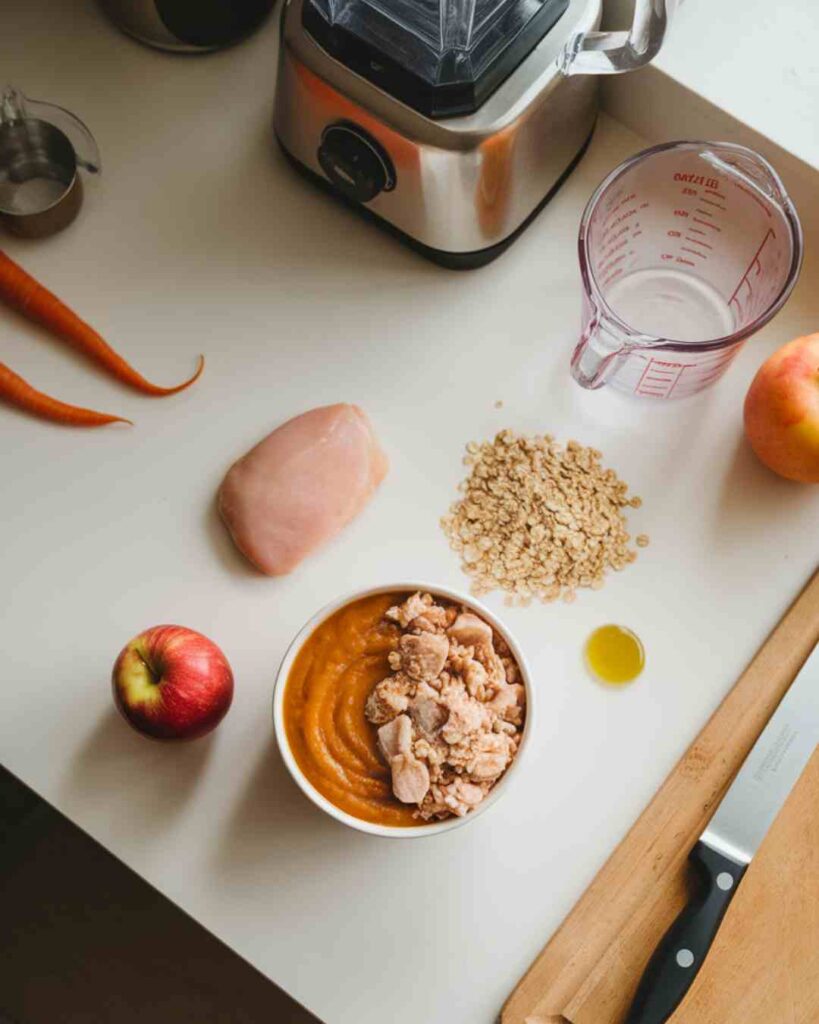
Making food at home gives you full control over what goes into your pup’s bowl. You’ll skip the preservatives and fillers, and your puppy gets fresh, whole ingredients that smell and taste amazing.
Protein Sources (50%)
- Boiled chicken breast
- Ground turkey
- Lean beef
- Scrambled eggs (no oil or butter)
- Fish (like salmon or sardines — deboned)
Carbohydrates (25%)
- Cooked white rice or brown rice
- Oatmeal
- Sweet potato (mashed)
- Quinoa
Vegetables (15%)
- Carrots (grated or boiled)
- Peas
- Pumpkin
- Spinach or kale (finely chopped)
Fats & Extras (10%)
- Olive oil or coconut oil
- Fish oil (omega-3)
- A sprinkle of calcium powder (for bone growth)
Mix them all together, adjusting the texture with warm water or broth for very young pups.
Transition Timeline: From Milk to Meals
Knowing when and how to change your puppy’s diet makes a huge difference. Too fast, and you’ll have tummy troubles; too slow, and your pup might not get enough nutrients for growth.
Week-by-week transition plan:
- Week 3–4: Start adding mush alongside milk. Offer a tablespoon at a time.
- Week 5: Increase to 50% solid, 50% milk-based meals.
- Week 6–7: Slowly remove milk replacer and switch to 3–4 small solid meals daily.
- Week 8 and beyond: Full puppy diet, divided into 3 daily portions.
Ever wondered why small meals are better? Puppies have tiny stomachs — they can’t handle big portions yet. Think “snack-sized meals,” not “buffet plates.”
Portion Guide: How Much Should You Feed?
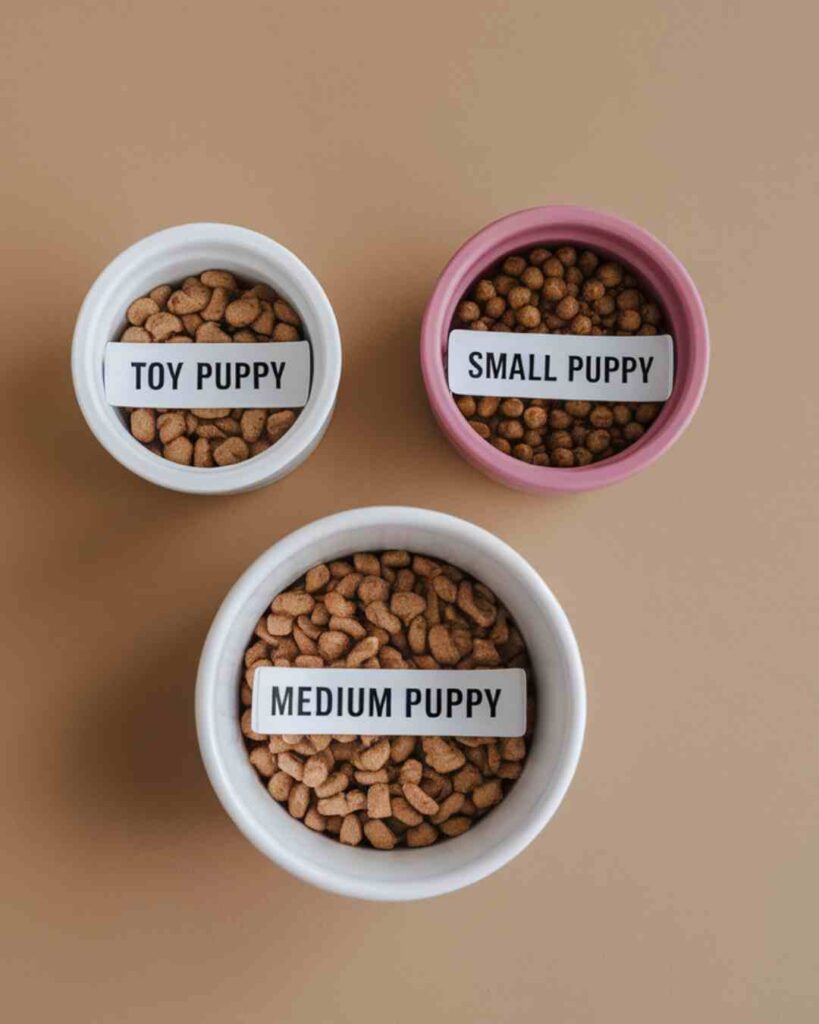
This part always confuses new puppy parents (don’t worry, I’ve been there too). Overfeeding leads to bloating and rapid weight gain, while underfeeding can stunt growth.
Here’s a general rule of thumb:
| Puppy Weight | Age 4–8 Weeks | Daily Food Amount |
|---|---|---|
| Under 2 kg | ½–1 cup | 4 small meals |
| 2–4 kg | 1–1½ cups | 4 meals |
| 4–8 kg | 1½–2½ cups | 3–4 meals |
Tip: Observe your puppy’s waistline — you should feel the ribs easily but not see them. That’s your visual “portion control” check.
Signs You’re Feeding Too Much
- Puppy looks bloated after meals
- Frequent loose stools
- Reduced appetite or sluggishness
Signs You’re Feeding Too Little
- Ribs or spine visible
- Constant whining for food
- Low energy
Don’t be afraid to adjust portions weekly. Every pup grows differently!
Common Feeding Mistakes (and How to Avoid Them)
Here’s the honest truth: even the most caring puppy parents mess up feeding sometimes. Here are the most common mistakes — and how to fix them fast.
1. Feeding Cow’s Milk
Sounds natural, right? But cow’s milk often causes diarrhea and stomach upset. Always use puppy milk replacer instead.
2. Switching Foods Too Fast
Changing diets overnight shocks their tummy. Always transition gradually over 7 days, mixing the old and new foods.
3. Using Too Many Treats
It’s tempting to spoil your pup, but treats should never exceed 10% of daily calories. Otherwise, you risk nutrient imbalance.
4. Ignoring Water Intake
Puppies dehydrate fast. Keep fresh, clean water available at all times — especially after meals or play.
5. Skipping Meals
Consistency is key. Puppies thrive on routine. Feed them at the same times every day to build good habits.
Bonus: A Simple Daily Feeding Schedule
Keeping a schedule helps your puppy’s digestion and toilet training. Here’s one that works great for 6–8-week-old pups:
| Time | What to Feed |
|---|---|
| 7:00 AM | Breakfast (homemade starter or puppy kibble) |
| 11:00 AM | Midday meal |
| 3:00 PM | Afternoon snack |
| 7:00 PM | Dinner |
| 10:00 PM | Small bedtime feed (optional for small breeds) |
And yes — it sounds like a lot of work. But once you get into rhythm, your pup’s body will adjust beautifully.
My Favorite Homemade Puppy Meal (Quick Recipe)
Here’s one I swear by — it’s easy, balanced, and my pup devours it every time.
Chicken & Pumpkin Puppy Bowl
- ½ cup boiled chicken (finely shredded)
- 2 tablespoons mashed pumpkin
- 2 tablespoons cooked oats
- 1 teaspoon olive oil
- Splash of warm water
Mix it all up, serve lukewarm, and watch that tail wag!
Why it works: it’s high in lean protein, easy to digest, and packed with vitamins for developing pups.
Real Talk: Every Puppy is Different
Some puppies love chicken; others thrive on fish or turkey. Some have sensitive tummies, while others seem to eat anything in sight. Don’t panic if your pup skips a meal once in a while — as long as energy and mood are normal, you’re fine.
Trust your instincts and keep a close eye on your puppy’s poop, coat, and energy levels. Those are the best signs of good nutrition.
And please — don’t hesitate to check with your vet if you notice anything unusual like persistent diarrhea, vomiting, or sudden weight changes.
Final Thoughts: How to Feed a Young Puppy With Love

Feeding your young puppy is more than a routine — it’s a bonding ritual. Every meal teaches trust, patience, and joy. Whether you’re preparing a warm bowl of homemade mush or switching to solids, remember that your consistency matters more than perfection.
Take it one day at a time, keep meals balanced and fresh, and watch your little furball grow into a confident, healthy dog.
Because at the end of the day, feeding your puppy right isn’t just about nutrition — it’s about love served in a bowl.